A temperature excursion rarely begins as a dramatic failure. More often, it unfolds gradually.
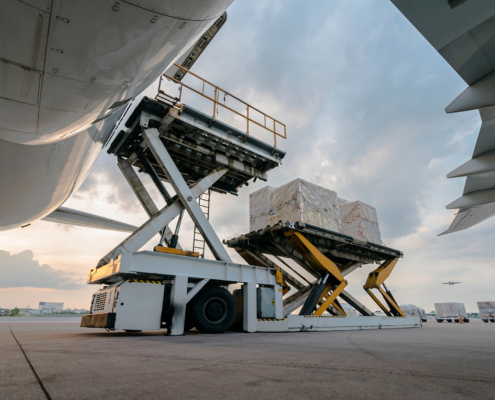
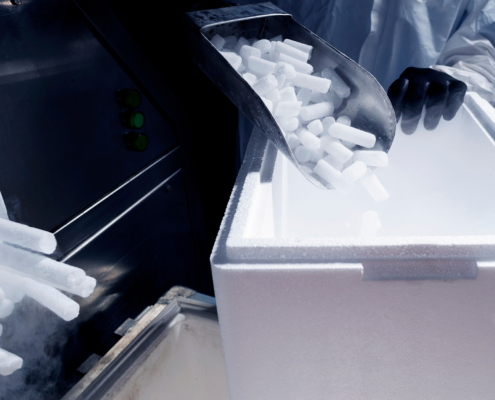
A connecting flight is missed due to inbound delay. The shipment is staged in a warehouse awaiting rebooking. Dry ice continues to sublimate. Monitoring devices record incremental temperature changes. If replenishment is not performed or if intervention is delayed, internal temperatures may exceed validated thresholds.
Once a temperature excursion occurs, the consequences extend beyond the physical product. Quality teams must review data logs. Stability assessments may be required. Regulatory documentation must demonstrate that product integrity was maintained—or determine that it was not.
For pharmaceutical logistics teams, these events introduce uncertainty. Even when a product appears intact, temperature deviations can trigger quarantine protocols, delayed release, or full product rejection. What began as airport congestion becomes a compliance event.
Effective cold chain risk management focuses on preventing this sequence from unfolding in the first place.